.png)

“Certificate of Service Is My Mailroom.”
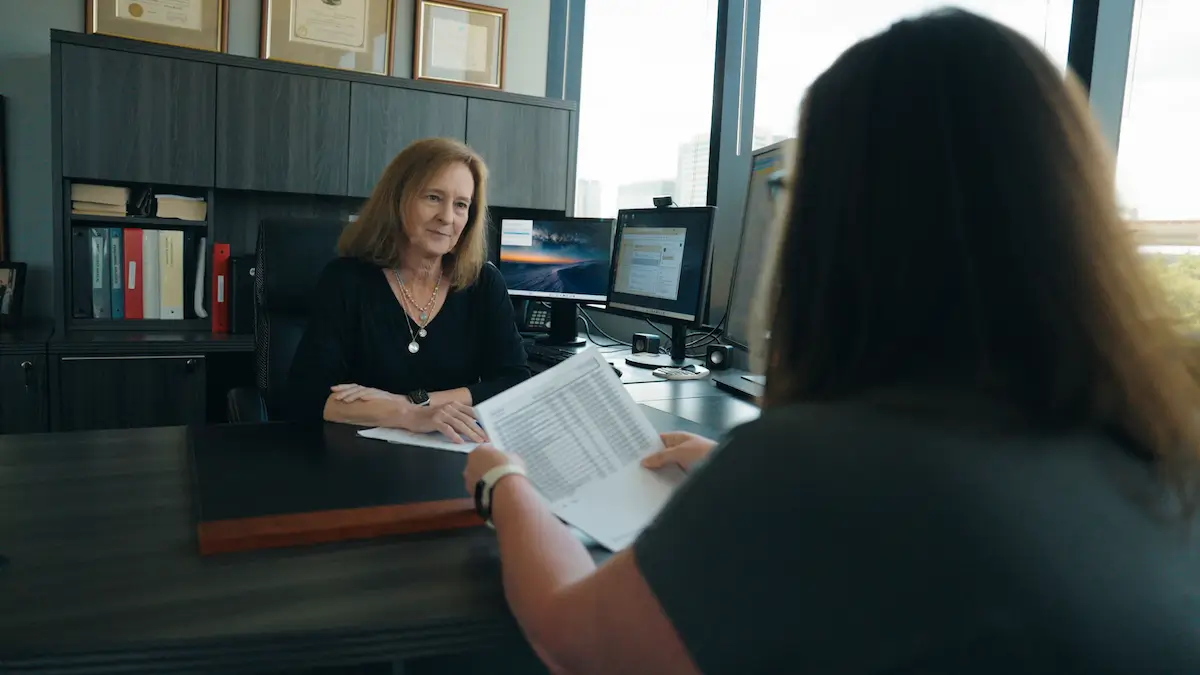

When Carey Ebert took over as Chapter 13 Trustee in Plano, Texas in 2016, she inherited a paper-heavy operation built around file rooms, printing carts, and a four-person mailroom. Eleven years later, her office handles roughly the same case volume as it did before COVID with five fewer employees. The difference isn’t working harder but eliminating every task that doesn’t require a lawyer.
KEY STATS
- Handles pre-COVID case volumes (~150 cases/month) with 5 fewer employees
- Replaced mailroom replaced by Certificate of Service
- Pays less per month for Certificate of Service than the cost of one full-time employee
- Saved over $150,000 in hard costs in year one by going paperless
- 400–500 noticing jobs processed monthly through seamless BSS + CoS integration
- Staff freed to do legal and case management work instead of mailroom duties
"Certificate of Service isn't a vendor. It's an extension of my office." — Carey Ebert, Chapter 13 Trustee, Plano, TX
About Carey Ebert’s Office
Carey Ebert spent 30 years as a consumer bankruptcy attorney, including a term as president of the National Association of Consumer Bankruptcy Attorneys, before being appointed Chapter 13 Trustee for the Eastern District of Texas in 2016. Her jurisdiction runs from Plano to the Oklahoma border and east to Texarkana, a vast region with over 3,000 active cases at any given time.
Her office processes roughly 160 new cases per month which translates to handling between 400 and 500 noticing jobs a month. With 13 full-time employees (plus one part-time), it’s a lean operation by design. Certificate of Service is a core reason it can stay that way through fluctuating periods.
CUSTOMER PROFILE
Role: Chapter 13 Trustee, Eastern District of Texas
Office: Plano, TX
Appointed: 2016
Caseload: ~150 cases/month; 3,000+ active cases
Staff: 13 full-time + 1 part-time (down from 18 pre-COVID)
Background: 30 years as a consumer bankruptcy attorney; former president of NACBA
Services Used:
- Certificates of Service
- Print & Mail Services
- BSS Software Integration
- Bulk Noticing (400–500 jobs/month)
The Challenge
An Office Built Around Paper and the People Required to Manage It
When Carey walked into the trustee’s office for the first time, she had been paperless in her own practice for over a decade. What she found looked like the opposite of that.
“Imagine walking into your office for the first time after you’ve been paperless for over 10 years and you walk into a room that is filled with nothing but racks and racks and racks of paper files. It looked like the place where they stored the Ark of the Covenant.”

Filing carts moved between offices. Staff spent their days tabbing paper copies of documents that were already available digitally because no one had given them access to the electronic versions. Every court filing was printed out and added to a physical file. Every mailing was assembled by hand.
The office employed a full mailroom just to manage noticing. And every hour they spent printing, folding, labeling, and running to the post office was an hour not spent on legal and case management work.
The Transformation: Paperless First. Then Everything Else.
On day two of her tenure, Carey told her staff they were going paperless. No new files. No more printing.
The results were immediate. In her first year alone, Carey saved over $150,000 in hard costs such as paper, toner, printing equipment, and storage. That figure doesn’t include the labor hours freed up when staff no longer had to manage physical files.
“We're not printing any more. We're not stuffing envelopes. We're using technology and partners like Certificate of Service so our team can focus.”
Going paperless solved the file room problem. But it didn’t solve the mailings problem. Noticing requirements hadn’t changed.
Carey had used Certificate of Service in her prior Chapter 7 practice. She knew what it could do. The answer was straightforward.

The Solution: Outsource the Mailroom. Keep the Lawyers Lawyering.
Today, Carey’s office processes 400 to 500 noticing jobs per month through Certificate of Service. The workflow runs through a direct integration between CoS and BSS, the case management software used by trustee offices, which means no one in the office has to manually transfer documents between systems.
“We can just upload them through our system, and you send it back to us. It comes right back into our system for filing and processing without anyone ever having to leave a desktop.”
Jobs submitted by the end of the business day come back confirmed before close or first thing the next morning at the latest. There is no postage to manage, no supplies to stock, no equipment to maintain. The mailroom, as a physical and operational concept, no longer exists in Carey’s office.
Carey’s Math Makes the Case.
Her total annual noticing cost runs about $129,000, or roughly $10,000 per month. Of that, approximately $3,000 to $4,000 is the labor portion paid to Certificate of Service. The rest is postage, which she would be paying regardless of who handled the mailing. And Certificate of Service’s bulk postal rate is better than what her office could get on its own.
This impact is palpable today. With case volumes back to pre-COVID levels and five fewer employees overall, her remaining staff spend their time on the work that actually requires them:
- Analyzing documents
- Preparing pleadings
- Managing confirmation hearings
- Processing claims
“By letting Certificate of Service operate as my mailroom, rather than having my staff do that, it allows my staff to actually do work that is billable because it’s productive.”
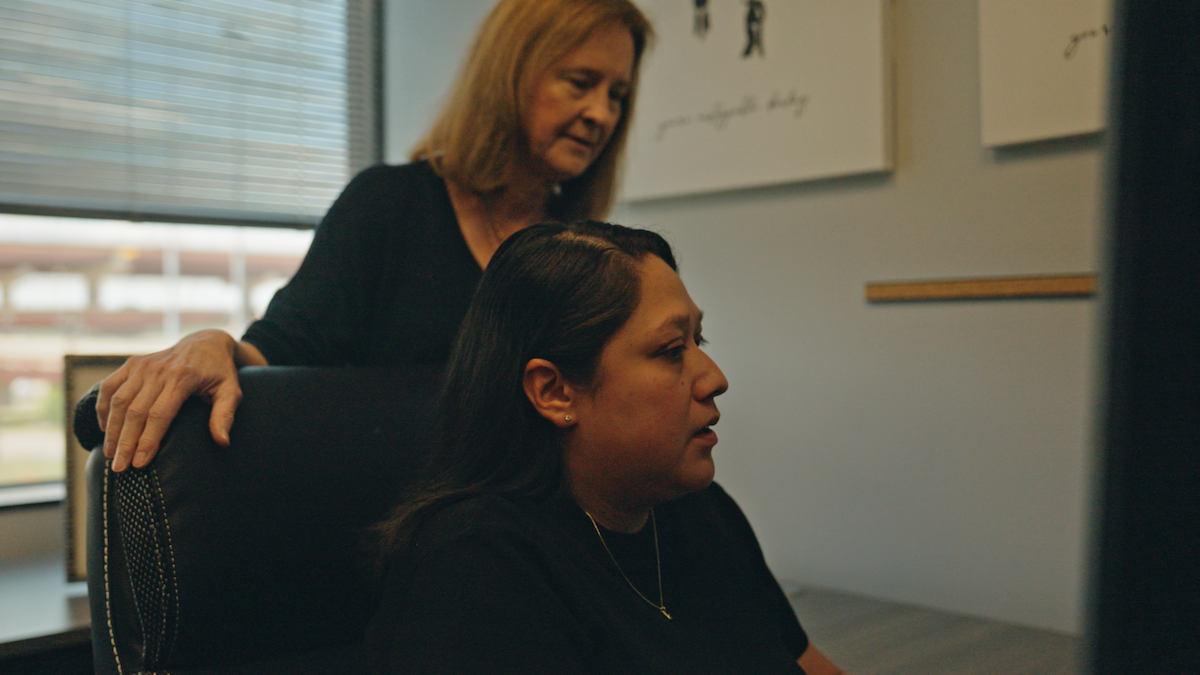
Looking Ahead, the Pattern is Consistent:
Find work that doesn’t require human judgment, remove it from human hands, and redeploy the people toward work that does. Certificate of Service was an early and essential piece of that system.
“I’m always looking for ways to make my employees’ job easier and better like getting rid of the grunt work of mailing and stuffing envelopes. That’s why I have Certificate of Service.”
For trustees still running in-house mailrooms or printing their own notices, Carey’s message is direct: do the math, and do it honestly. Factor in salary, benefits, equipment, supplies, and the postal rate you’re paying on your own. Then compare it to what Certificate of Service costs.
“Certificate of Service saves you time, money, cost of employees, AND it’s seamless. Why would you not use it?”

Stay informed and efficient


